Jim Sorrells | Risk & Insurance
Delaying adoption creates real competitive risk, widening gaps in severity management, settlement outcomes, expense control, workforce productivity, and market credibility. AI maturity is increasingly separating leaders from followers.
There is a persistent misconception in claims that artificial intelligence (AI) represents the future of the industry. That belief exists largely because AI entered claims quietly. It did not arrive with a single dramatic transformation moment. Instead, it was introduced through practical use cases that improved workflows, triage, and decision support. Today, the question is no longer whether AI will be used in claims. The responsibility now rests with claims executives to decide how it will be leveraged, how adoption will be led, and how it aligns with organizational strategy.
AI is no longer a side initiative nor experimental. It has become a core claims capability. Just as a digital first notice of loss, straight-through claims processing, and analytics evolved into foundational infrastructure, AI now belongs in the modern claims operating model.
As organizations move from experimentation to operationalization, the way AI is designed and deployed becomes just as important as the decision to adopt it. Without a deliberate strategy, organizations risk fragmented tools and suboptimal outcomes. At the same time, AI does not replace claims judgment. The human element remains essential to fairness, credibility, and defensible decision making. The strongest organizations position AI as a decision enablement capability that allows professionals to work smarter, faster, and more consistently. By elevating insights across the team, AI can raise overall performance to mirror that of the best performers.
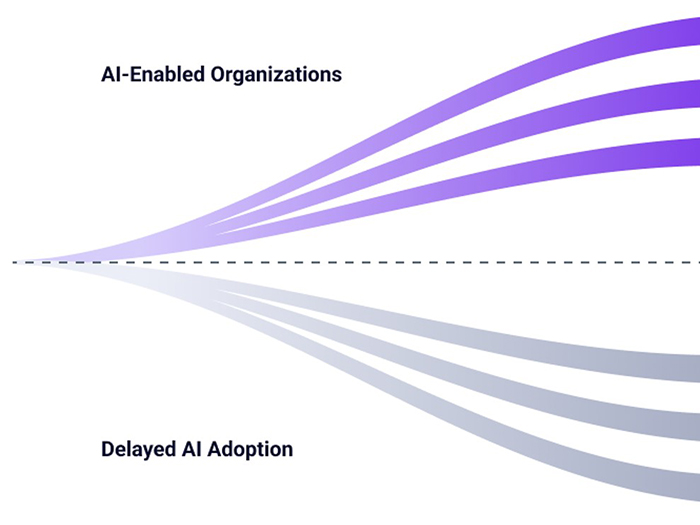
Delaying adoption creates real competitive risk, widening gaps in severity management, settlement outcomes, expense control, workforce productivity, and market credibility. AI maturity is increasingly separating leaders from followers.
Successful adoption begins with leadership. AI effectiveness in claims is not driven by IT. It succeeds when claims leaders own the strategy, direction, and narrative. Leaders must be clear that AI improves probability, not perfection, and that it exists to enhance outcomes and capability rather than eliminate expertise. Claims professionals need reassurance that their judgment remains critical, with AI accelerating the use of that judgment to achieve optimal outcomes. Adoption must be grounded in operational value such as earlier insight, improved decision quality, reduced cycle times, and better reserving. Momentum matters. Organizations should share results early, normalize learning, and recognize that AI requires ongoing refinement. Programs fail when AI is framed as magic rather than as an integrated part of the operating model.
Strategic alignment is the final requirement. High performing claims organizations treat data as a strategic asset, recognizing that AI is only as strong as the quality, structure, and governance behind it. AI must also be tied directly to performance objectives. When it supports core measures such as severity management, litigation avoidance, expense optimization, workforce enablement, and customer experience, it becomes essential rather than optional. Just as important is governance. Regulators, courts, and risk committees expect ethical frameworks, bias discipline, explainable outputs, and defensible auditability.
This is a leadership moment for claims executives. AI is already embedded in claims. The true differentiator will be how leaders shape it, scale it, govern it, and communicate its purpose.
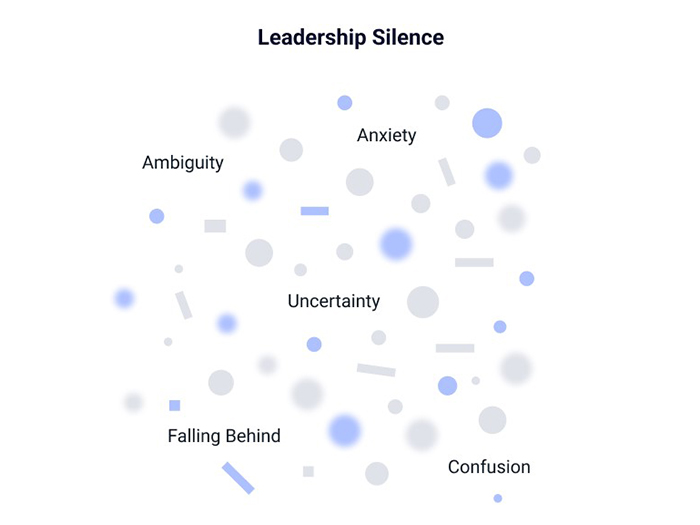
Leadership silence creates anxiety. Leadership clarity creates alignment, confidence, and sustainable advantage.
When one of your cases is in need of a construction expert, estimates, insurance appraisal or umpire services in defect or insurance disputes – please call Advise & Consult, Inc. at 801.641.8304, or email experts@adviseandconsult.net.